

Comparing Spocket Product Prices with Other Platforms
You need to understand how to effectively compare product prices on Spocket with other platforms to maximize your profits. By analyzing the wholesale cost and suggested retail price on Spocket alongside prices on platforms like Amazon, you can make informed pricing decisions. This strategy allows you to adjust your own pricing for optimal profit margins before you publish your products. For a more in-depth comparison, check out Spocket vs. Zendrop (Which Is Right for Your Business?) and enhance your pricing approach.

Understanding Spocket Pricing
When stepping into Spocket pricing, it’s imperative to analyze both wholesale costs and suggested retail prices. This information allows you to establish a competitive pricing strategy that can maximize your profit margins while appealing to your target market. By knowing how these prices compare to other platforms, like Amazon, you can make informed decisions that enhance your profitability and sales potential.
Analyzing Wholesale Costs
Wholesale costs on Spocket typically range from $5 to $50 per product, depending on the supplier and product type. This price point gives you flexibility in determining your own markup. Analyzing these costs against suppliers on platforms like Alibaba will help you spot opportunities for more competitive sourcing, ensuring you maintain healthy profit margins.
Suggested Retail Prices on Spocket
The suggested retail prices on Spocket are generally set to provide a suitable profit margin while remaining attractive to buyers. For instance, a product purchased at $20 wholesale might have a suggested retail price of around $40. This guidance is vital as it helps you align your pricing strategy with market expectations.
When considering suggested retail prices, you should also examine market trends and competitor prices. This means that a $40 retail price, while suggested, may need adjustment if similar products on Amazon are priced at $30 or less. By evaluating competitor pricing, you can tweak your rates to either stay competitive or position your product as a premium offering. This dynamic approach helps you capture your desired market share while maintaining profitability.
Comparing Prices Across Platforms
When evaluating product prices, it’s necessary to conduct a thorough comparison across different platforms, including Spocket Dropshipping Software: Reviews, Pricing, & How- …. This analysis helps you understand where your pricing stands in relation to competitors, ensuring you retain a competitive edge while maximizing your profit margins.
Price Comparison Table
| Platform | Average Product Price |
|---|---|
| Spocket | $20.00 |
| Amazon | $25.00 |
| eBay | $22.50 |
Evaluating Prices on Amazon
Amazon often serves as a benchmark for pricing, with products typically listed at a higher average price than wholesale sources like Spocket. By comparing Amazon’s pricing against Spocket’s wholesale costs, you can better position your products, finding the sweet spot that attracts buyers while ensuring profitability.
Assessing Competitors’ Pricing Strategies
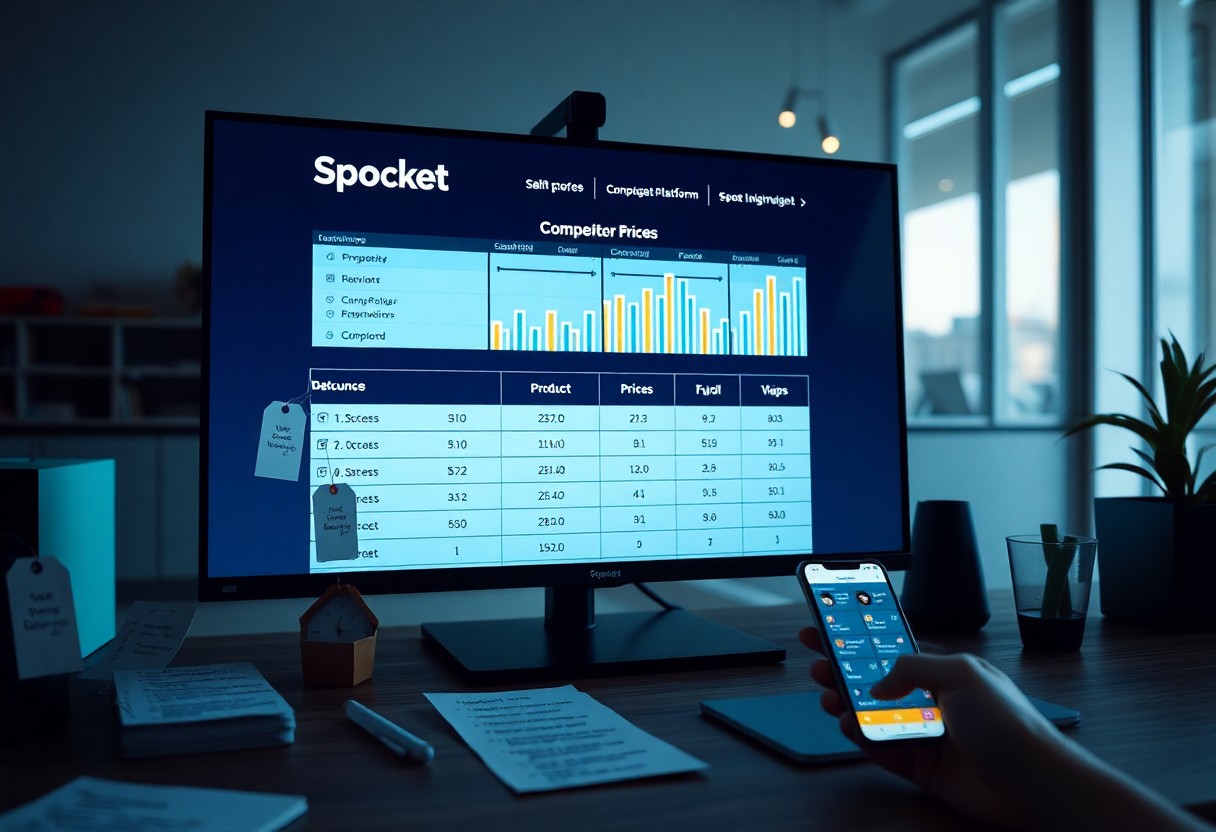
To successfully assess your competitors’ pricing strategies, you should analyze their pricing tiers, discounts, and promotional offers. This way, you can identify trends and best practices, enabling you to adjust your selling price effectively. Competitors displaying frequent discounts may signal a need for strategic underpricing, while higher prices could suggest premium branding.
Additionally, taking note of seasonal sales and competitor pricing updates allows you to adapt quickly. For example, if a competitor lowers their prices temporarily during a sales event, you may decide to match or offer a slight discount to maintain competitiveness. Leveraging tools that track price fluctuations can streamline this process, helping you optimize your pricing strategy effectively.
Factors Influencing Pricing Decisions
Several factors play a pivotal role in shaping your pricing decisions. These may include market trends, competition, and the cost of goods sold. Understanding these elements helps you establish a price that not only appeals to customers but also ensures profitability. Other considerations may involve target audience segments and perceived value. Adopting dynamic pricing strategies can further enhance your position. Recognizing the interplay of these factors is important for successful pricing.
Market Demand and Trends
Market demand significantly affects pricing strategies. High demand for a product usually enables you to set prices competitively, while lower demand requires adjustments to attract buyers. Keeping an eye on changing trends helps you identify popular items and optimize pricing accordingly, ensuring you remain competitive against other sellers.
Shipping and Handling Costs
Shipping and handling costs can profoundly impact your final pricing structure. These expenses often vary based on supplier location, shipping method, and delivery speed. Unpredictable shipping rates can erode profit margins if not accounted for in your pricing strategy.
By analyzing shipping rates from various carriers and factoring them into your pricing, you can maintain competitive edges. It’s vital to compare Spocket’s shipping costs with other platforms like Amazon to ensure you’re offering the best value. If you highlight shipping options for buyers, you may even attract more sales. Recognizing how these costs play into overall pricing strategy allows for better control over profitability.
How to Set Your Prices for Profit
Establishing your prices effectively is key to maximizing profits while remaining competitive in the market. Begin by analyzing the wholesale costs from Spocket alongside the suggested retail prices of similar products on platforms like Amazon. This will provide a benchmark for adjusting your prices, ensuring you cover costs and maintain your desired profit margin.
Pricing Strategies
Your pricing strategy should reflect not just your costs, but also market demand. Consider incorporating a cost-plus pricing approach, where you add a percentage markup to your wholesale price, or a value-based pricing model that aligns with the perceived value of your products. This way, you can adjust to competition and maximize revenue effectively.
Dynamic Pricing Techniques
Utilizing dynamic pricing can significantly impact your profitability by allowing you to adjust prices based on real-time market trends and competitor pricing. By analyzing data from Spocket and other platforms, you can track when to raise or lower your prices in response to demand fluctuations.
Dynamic pricing techniques involve continuously monitoring competitors and market conditions to make timely adjustments. For instance, if a similar product on Amazon drops in price, you can revise your pricing strategy to remain competitive. Tools like AI-driven analytics can assist in predicting demand and suggest optimal pricing. Implementing this approach ensures you remain agile in the marketplace, maximizing both sales volume and profit margins effectively.
Tips for Monitoring Price Changes
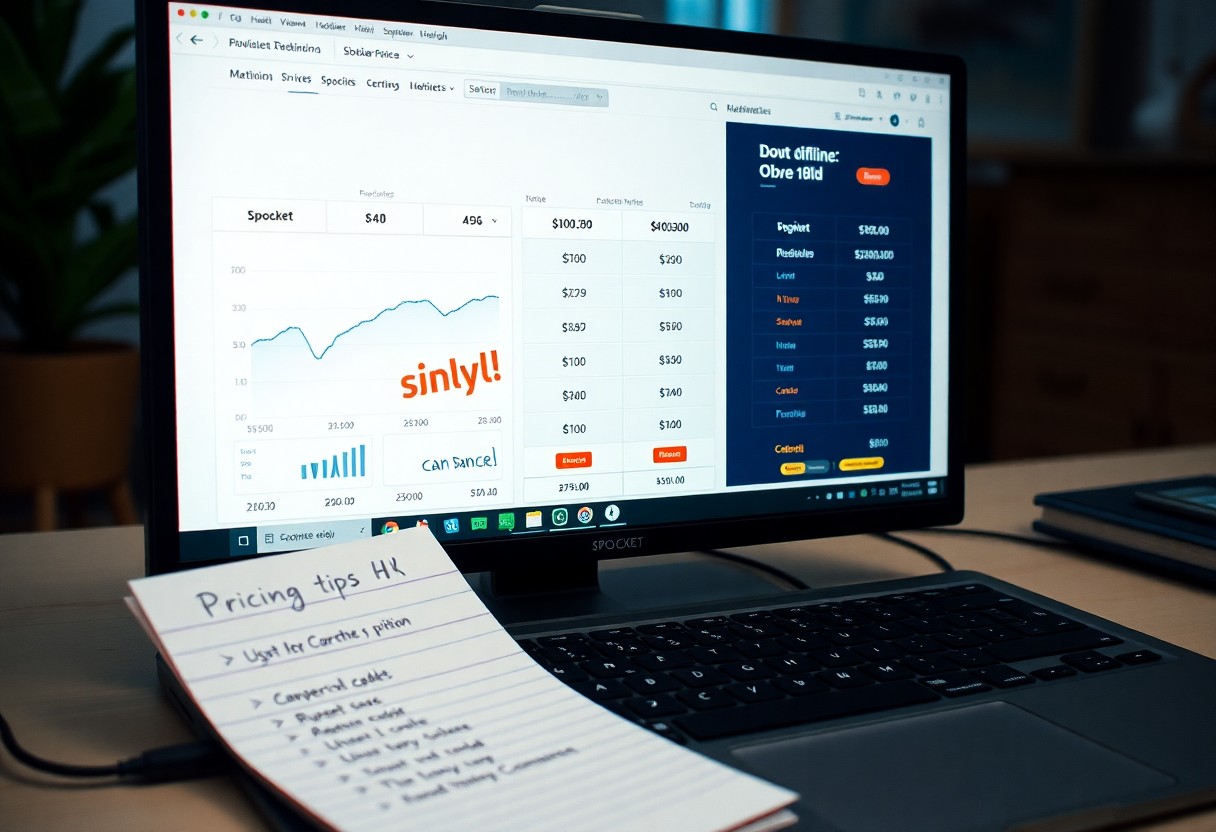
To ensure you always have the best prices, actively monitor price changes across platforms. Utilize the following strategies:
- Set alerts for price drops on competitors’ sites.
- Regularly review supplier prices on Spocket.
- Benchmark your prices against leading retailers.
- Use tools to track pricing trends over time.
- Adjust your pricing swiftly in response to market changes.
The consistent monitoring of prices will enhance your competitive edge. For more insights, check out Automatic Price Optimization: AutoDS VS Other Tools.
Tools and Software
Utilizing effective tools and software can simplify your price monitoring efforts. Platforms like PriceBlink and CamelCamelCamel provide comparisons and historical price tracking, allowing you to make informed purchasing decisions. Integrating these tools with Spocket enhances your ability to react to market changes quickly, securing optimal profit margins.
Regularly Update Pricing Strategy
Your pricing strategy should evolve with market trends and competitor actions. Regular updates allow you to remain competitive and maximize profit margins. This can include adjusting prices based on seasonal trends or promotional events. Embracing dynamic pricing ensures that you’re consistently aligned with customer expectations and competitor offerings. Analyze customer feedback and sales data to refine your approach continuously, keeping your pricing strategy relevant and effective.
To optimize your pricing strategy effectively, consider adopting a proactive mindset. Examine fluctuations in wholesale costs and suggested retail prices on Spocket against competitors like Amazon, ensuring your prices reflect market conditions. Implementing a schedule for regular reviews can help you identify optimal price points that drive sales while still promoting profitability. Staying agile in your pricing model allows you to capture new opportunities while minimizing potential losses during downturns.
Final Words
With these considerations, you can effectively compare Spocket product prices with those on other platforms such as Amazon. By analyzing the wholesale costs and suggested retail prices on Spocket, you can determine competitive pricing strategies that enhance your profit margins. Adjusting your pricing based on this comparison not only positions you favorably in the market but also ensures that your offerings appeal to discerning customers seeking value. Leveraging these insights will allow you to make informed pricing decisions that contribute to your success in the competitive landscape of e-commerce.
FAQ
Q: How can I find wholesale costs on Spocket?
A: You can find wholesale costs on Spocket by browsing the product listings. Each product page displays the wholesale price, which is the amount you will pay to source the item. This is usually located near the product description.
Q: What steps should I take to compare Spocket prices with those on platforms like Amazon?
A: To compare prices, first note the wholesale cost and the suggested retail price on Spocket. Then, search for the same product on Amazon and check its selling price. This will give you an idea of how your pricing aligns with the market.
Q: How do I determine my pricing strategy based on these comparisons?
A: Once you have both the wholesale and retail prices, assess the price difference. If Spocket’s suggested retail price is significantly lower than Amazon’s price, consider adjusting your own pricing to remain competitive while ensuring you cover costs and achieve desired profit margins.
Q: Can I adjust my prices on Spocket if I notice competitive pricing on other platforms?
A: Yes, you can adjust your prices on Spocket. If you identify that similar items are being sold at a higher price elsewhere, you can choose to set your price slightly lower to attract more buyers or match competitors for specific products based on demand.
Q: What factors should I consider when setting my prices?
A: In addition to wholesale costs and competitor prices, consider shipping costs, target profit margins, and potential discounts for bulk orders. Customer service and product quality can also affect pricing decisions, as added value may justify higher prices.