

Building a Brand Identity for Your Dropshipping Store
Just establishing a brand identity for your dropshipping store can significantly impact your success. By creating a unique brand name, distinctive logo, and a consistent brand voice, you are not just selling products—you are building a connection with your customers. Effective branding fosters trust and loyalty, ensuring that your store stands out in a competitive market. Consistency in your branding across all platforms will cultivate a recognizable presence, making your store a go-to destination for customers seeking value and authenticity.

Understanding Brand Identity
Your brand identity is the visual and emotional representation of your business. It encompasses everything from your logo and color palette to your brand voice and values. Developing a cohesive brand identity is imperative for making your dropshipping store stand out in a crowded market. To research deeper into effective branding, check out How to Build a Brand in 7 Steps: Get Started in 2025.
Definition of Brand Identity
Brand identity refers to the collection of all elements that a company creates to portray the right image to its customer. This includes your brand name, logo, design, and the overall aesthetic that conveys your business ethos. It’s how your audience perceives you and sets the tone for their experience with your products.
Importance of Brand Identity in Dropshipping
In the dropshipping landscape, establishing a strong brand identity can significantly differentiate your store from competitors. A well-crafted identity fosters customer trust and enhances recognition, making it easier for you to attract and retain loyal customers. When consumers identify with your brand, they are more likely to choose you over others, even if price points are similar.
Brand identity not only helps in attracting your target audience but also plays a pivotal role in their purchasing decisions. A study found that over 60% of consumers prefer to buy from brands that share their values. By developing a unique voice and visual identity, you’ll create an emotional connection with your audience, encouraging repeat purchases. Additionally, consistent branding across your store and marketing efforts strengthens your overall presence, which is vital in building long-term customer relationships in the competitive dropshipping market.
Creating a Unique Brand Name
Your brand name serves as the cornerstone of your identity. It’s the first impression customers have of your dropshipping store, and it should resonate with your target audience. Crafting a name that embodies your values and appeals to your niche will strengthen your overall brand image. For more insights, check out this article on Creating a Brand Identity in Dropshipping.
Tips for Crafting a Memorable Name
To create a name that sticks, consider the following tips:
- Make it short and easy to pronounce.
- Ensure it’s meaningful and reflects your brand’s essence.
- Check for a unique spin on common words to stand out.
- Avoid overly complex or hard-to-spell terms.
Knowing the right techniques can differentiate your brand in a crowded market.
Ensuring Name Availability
Before settling on a name, you must verify its availability across various platforms. This step ensures you won’t face legal challenges or brand confusion later. Conduct a search for trademarks, domain names, and social media handles related to your chosen name.
Utilize resources like the United States Patent and Trademark Office (USPTO) for trademark searches and domain registrars for website availability. Social media platforms also provide tools for checking username availability. Failing to confirm these can lead to unforeseen obstacles. Make sure your name is distinct from others in your industry to avoid misrepresentation, enhancing your brand’s credibility and ensuring a smoother launch.
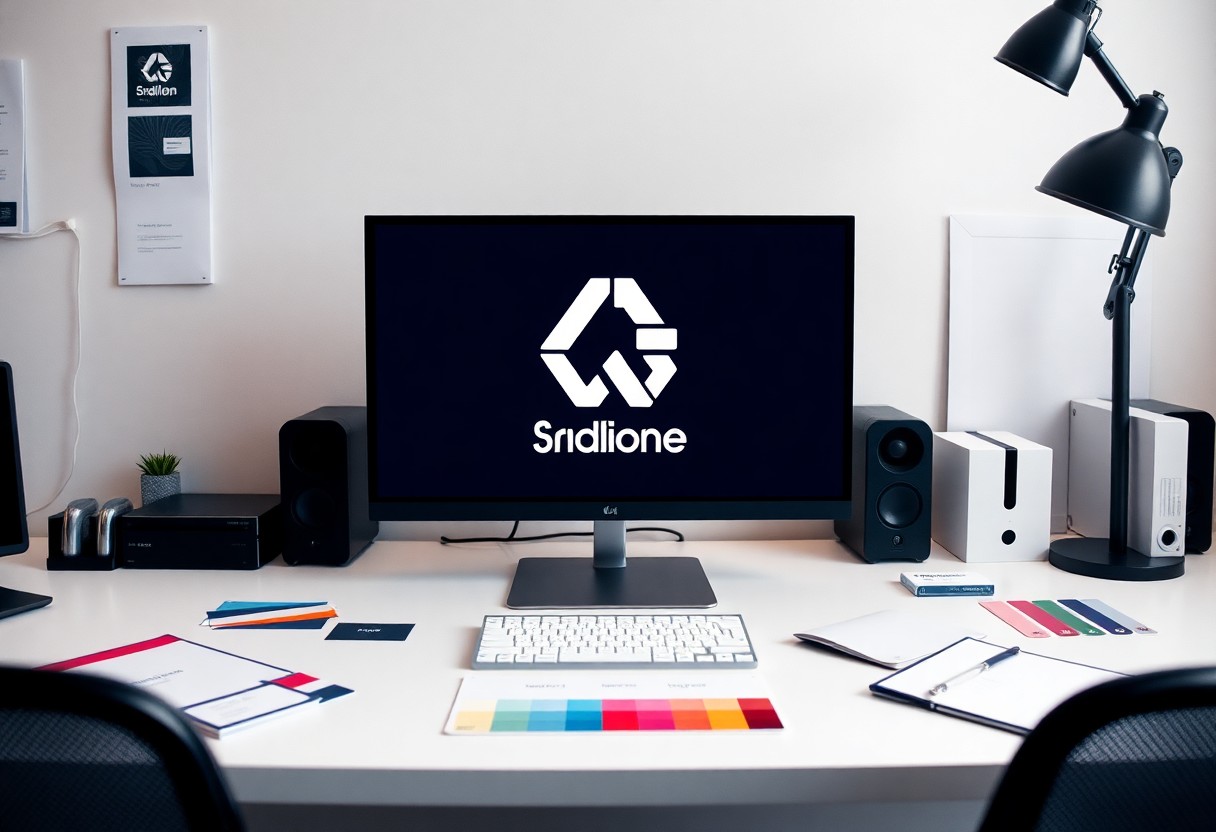
Designing an Eye-Catching Logo
Your logo serves as the face of your brand, instantly communicating your store’s identity and values. A well-designed logo not only grabs attention but also enhances brand recognition, making it easier for customers to remember you. Focus on creating a logo that reflects who you are and resonates with your target market—this is an imperative step in establishing a strong brand presence.
Elements of Effective Logo Design
Effective logo design incorporates various elements including color, typography, and imagery. Color evokes emotions; choose shades that align with your brand’s personality. Typography should be legible and match your store’s voice, while imagery should encapsulate what your business stands for. A harmonious blend of these elements creates a memorable and impactful logo.
Tools for Logo Creation
Numerous tools are available to help you create a professional-looking logo without breaking the bank. Services like Canva offer user-friendly interfaces and templates that simplify the design process. For more customization, Adobe Illustrator provides advanced design functions, though it may have a steeper learning curve. Online logo generators like Looka can also deliver quick results tailored to your specifications.
When choosing a logo creation tool, consider your skill level and budget. Canva is perfect for beginners, offering accessible drag-and-drop functionality with a rich library of elements. Adobe Illustrator, while more complex, empowers you with unparalleled creative freedom for those willing to invest time in learning. Alternatively, online generators can efficiently produce logos, ideal for quick branding when time is scarce. Tech-savvy entrepreneurs might experiment with multiple tools to find the combination that perfectly suits their design needs.

Developing a Consistent Brand Voice
Your brand voice is the unique way you communicate with your audience across all platforms. It encompasses your language, tone, and style, creating a memorable experience for customers that aligns with your brand values. Establishing a consistent voice enhances brand recognition and fosters a deeper connection with your audience, ultimately supporting long-term loyalty.
Defining Your Brand Personality
Think of your brand as a person with distinct traits. Is it friendly and approachable, or sophisticated and authoritative? By defining your brand personality, you create a foundation for your voice, informing everything from your website copy to social media posts. This clarity helps you resonate with your audience and stand out in a crowded market.
Aligning Voice with Target Audience
Your brand voice must speak directly to your target audience’s preferences and needs. Consider their demographics, interests, and pain points to tailor your messaging effectively. A voice that aligns with your audience not only enhances engagement but also builds trust, ensuring they feel understood and valued.
To align your voice with your target audience, research is vital. Use tools like surveys or social media analytics to gather insights into their language, preferences, and behavior. For instance, a playful tone might suit a youthful audience interested in trendy products, while a more formal approach could appeal to professionals seeking quality goods. By adapting your voice accordingly, you create a connection that feels authentic, allowing your customers to see your brand as relatable and trustworthy.
Implementing Cohesive Branding Across Platforms
To succeed in dropshipping, you must implement cohesive branding across all online platforms. From your website to social media channels, consistency in visual elements and messaging enhances brand recognition and trust among consumers. For more insights on how to build a brand through dropshipping, check out Building a Brand with Dropshipping: Is It Possible?.
Consistency in Store Design
Your store design should reflect your brand identity without fail. This includes using your brand colors, fonts, and imagery uniformly across product pages, checkout processes, and promotional materials. A visually cohesive environment helps customers feel more comfortable and reinforces their connection to your brand.
Brand Messaging Across Marketing Channels
Effective brand messaging requires unification across all marketing channels, whether it’s social media, email, or ads. Utilizing the same tone, language, and visuals allows you to build a strong narrative that resonates with your audience. Customers are more likely to engage with brands that consistently convey their values and personality: clarity breeds confidence and loyalty.
Establishing a consistent brand message also involves aligning your promotional tactics with your core values. For instance, if your brand focuses on sustainability, all content should reflect that ethos, from product descriptions to social media posts. Using testimonials that emphasize your commitment to ethical practices can strengthen your narrative. Engaging storytelling tailored to each platform will further amplify your message and create emotional connections with your audience.
Building Customer Trust and Loyalty
Establishing trust and loyalty with your customers is necessary for long-term success in dropshipping. When customers feel they can rely on your brand, they are more likely to make repeat purchases and recommend your store. Focusing on authenticity in your communications and consistently delivering on your promises will help create strong connections with your audience. Brands with high trust scores enjoy significantly better customer retention rates, enhancing both sales and customer satisfaction.
The Role of Transparency in Branding
Transparency in your branding fosters authenticity and confidence among your customers. By openly sharing your business practices, sourcing methods, and even challenges, you show that you value honesty. For example, Patagonia’s clear commitment to sustainable practices has not only attracted conscious consumers but also established a loyal customer base that appreciates their integrity.
Engaging with Customers for Loyalty
Engagement is key to building customer loyalty. Actively responding to comments, emails, and social media interactions demonstrates that you value each customer. Engaging through personalized messages, exclusive promotions, and targeted content can further enhance their connection to your brand, making them feel like part of your community.
Consider implementing various strategies, such as loyalty programs or referral bonuses, to deepen this engagement. For instance, offering points for social shares or reviews encourages customers not only to buy but also to champion your brand. A study from Brand Keys shows that emotionally connected customers are 4 times more likely to make repeat purchases. By consistently nurturing these relationships, you can transform one-time buyers into loyal advocates for your store.
To wrap up
Drawing together all the elements of building a brand identity for your dropshipping store, it’s necessary to focus on creating a unique name, eye-catching logo, and a distinct voice that resonates with your target audience. By maintaining consistency across your store and marketing efforts, you not only enhance your brand recognition but also foster customer trust and loyalty. A strong brand identity sets you apart in a competitive market, making it easier for your audience to choose your store over others, ultimately contributing to your long-term success.
FAQ
Q: Why is brand identity important for a dropshipping store?
A: Brand identity helps differentiate your store from competitors, fosters customer loyalty, and builds trust. A strong brand identity can increase recognition and influence purchasing decisions.
Q: How can I create a unique brand name for my dropshipping store?
A: To create a unique brand name, brainstorm keywords related to your niche, consider wordplay or combinations, and check for domain availability. Ensure it’s easy to pronounce, spell, and remember to strengthen brand recall.
Q: What elements should I include in my brand logo?
A: Your logo should include your brand name or initials, a relevant symbol or icon, and a color palette that reflects your brand’s personality. It should be versatile, easily recognizable, and scalable for different applications.
Q: How do I establish a consistent brand voice?
A: Establish a consistent brand voice by defining your brand’s values, personality, and target audience. Use a tone that aligns with these characteristics in all communications and ensure content is uniform across platforms.
Q: What are some ways to maintain consistent branding across my marketing channels?
A: Maintain consistent branding by using the same color scheme, fonts, logos, and messaging across your website, social media, and promotional materials. Regularly review all customer touchpoints to ensure uniformity.