
Revitalizing E-Waste Recycling for a More Inclusive Digital Future
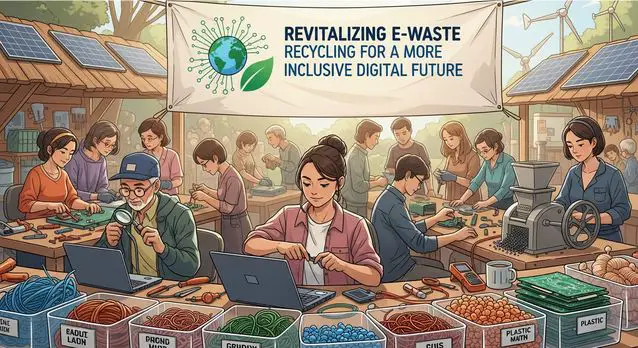
summary
- Revitalizing e-waste recycling reduces environmental harm while enabling technology reuse for education, work, and digital access.
- Clear communication and awareness campaigns promote responsible disposal and sustainable technology practices.
- Community outreach connects refurbished devices to underserved groups, supporting digital inclusion and equity.
- Mission-driven organizations use modern marketing to build trust and increase participation in recycling initiatives.
Understanding the E-Waste Challenge
E-waste includes discarded computers, smartphones, servers, cables, and other electronic devices. These products contain valuable materials such as copper, gold, and rare earth elements, along with hazardous substances that can harm health and ecosystems if handled improperly.
Many communities lack safe disposal options and recycling awareness, causing usable devices to end up in landfills while underserved groups miss access to technology. This gap shows digital inclusion lags behind technological progress. Recycling initiatives help address this issue through reuse, refurbishment, and fair distribution.
Why Inclusion Matters in Digital Sustainability
Digital inclusion goes beyond internet access to include devices, digital skills, and opportunities in the digital economy. When organizations treat old electronics as assets rather than waste, they can support schools, nonprofits, and community programs that depend on technology.
Responsible recycling reduces environmental harm while enabling safe redistribution and building trust. People donate more confidently when they understand data protection and device use. Inclusion and sustainability reinforce each other through transparency, education, and effective outreach.
The Role of Communication and Awareness
Even the strongest recycling initiative needs visibility to succeed. People cannot take part in programs they do not understand or cannot easily find. Clear communication explains why e-waste matters, how recycling works, and the real impact of participation.
Effective visibility depends on three core elements:
- Clear messaging: Helps audiences understand the importance of e-waste recycling and the benefits of taking part.
- Strong digital communication: Combines environmental goals with storytelling to reach wider audiences and inspire action.
- Strategic content and branding: Uses educational resources and consistent visuals to stand out in a crowded digital space.
Many mission driven organizations use digital marketing solutions to simplify complex ideas, educate users, build trust, and encourage responsible behavior without overwhelming their audience.
Connecting Recycling With Purpose Driven Platforms
Nonprofit platforms and social enterprises focus on reuse and redistribution by collecting donated electronics, securing data, refurbishing devices, and placing them where they create real value.
These efforts link recycling with inclusion by supporting education, healthcare access, and reduced resource extraction. Programs that clearly show this impact motivate individuals and businesses to participate because people respond to visible results, not just processes.
Building Trust Through Transparency
Trust drives participation in e-waste initiatives. Individuals and organizations often worry about data security, environmental compliance, and ethical handling, and clear policies, certifications, and simple explanations help address these concerns.
Websites play a key role by presenting well structured content that explains collection processes, data destruction practices, and overall impact. A consistent tone and clear language make complex topics easier to understand. Many organizations support this effort with digital marketing solutions to align messaging across channels and keep sustainability goals visible and credible at every touchpoint.
Education as a Catalyst for Change
Education turns recycling into a shared responsibility rather than a one time task. When people understand why e-waste matters, they make more informed and responsible choices.
Effective education focuses on key areas:
- Accessible content: Blogs, guides, videos, and community campaigns explain e-waste issues in simple, relatable terms.
- Practical impact: Clear examples show how improper disposal affects health and how reuse extends device life.
- Global connection: Local actions are linked to broader sustainability and environmental goals.
When organizations educate consistently, they create long-term engagement and scalable impact instead of short-term participation.
Aligning Business, Technology, and Sustainability
Businesses generate large amounts of electronic waste and influence supply chains and consumer behavior. Their participation in e waste recycling programs strengthens environmental responsibility and social impact.
Key benefits of corporate involvement include:
- Demonstrating leadership through integrated recycling practices
- Enhancing brand credibility by aligning profit with purpose
- Building trust through clear, strategic communication that shows real action
When businesses communicate these efforts clearly, both internal teams and external audiences recognize authentic commitment rather than surface level claims.
Measuring Impact Beyond Recycling Tonnage
True success extends beyond pounds recycled. It includes devices reused, communities served, emissions reduced, and awareness increased. Organizations that track and share these metrics strengthen accountability.
Impact reporting also supports storytelling. Numbers combined with human outcomes create compelling narratives. They show progress and encourage continued involvement.
Clear reporting reinforces confidence among donors, partners, and participants. It also supports continuous improvement by highlighting what works and where adjustments are needed.
The Future of Inclusive E-Waste Management
The future of e-waste management relies on collaboration among governments, businesses, nonprofits, and individuals. As technology evolves and disposal increases, inclusive strategies will shape whether this growth benefits society.
Platforms that link recycling with access, education, and opportunity show how sustainability can create shared value. Clear communication, consistent education, and transparent action often supported by digital marketing solutions help scale impact. Expanding e waste recycling programs ensures technology supports people throughout its lifecycle and strengthens an inclusive digital future.
Final Thoughts
Revitalizing e-waste recycling requires more than technical processes. It demands human-centered thinking, inclusive goals, and strong communication. By connecting responsible disposal with access, education, and transparency, organizations can reduce environmental harm while expanding digital opportunity.
A more inclusive digital future begins with how society treats its technology today. Responsible recycling, clear messaging, and purposeful collaboration make that future achievable.